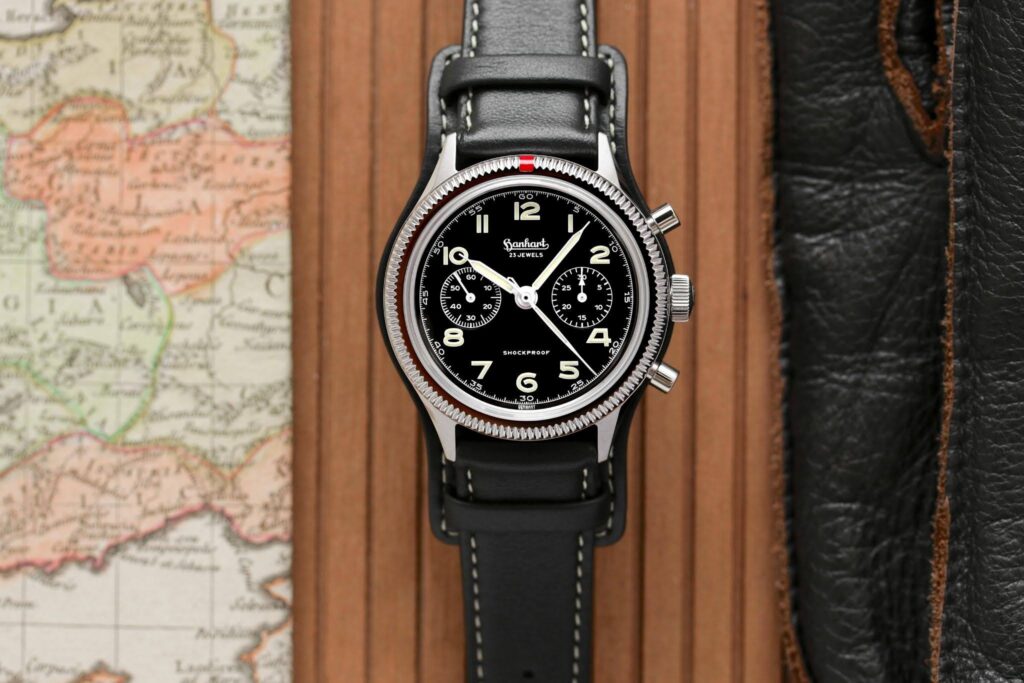
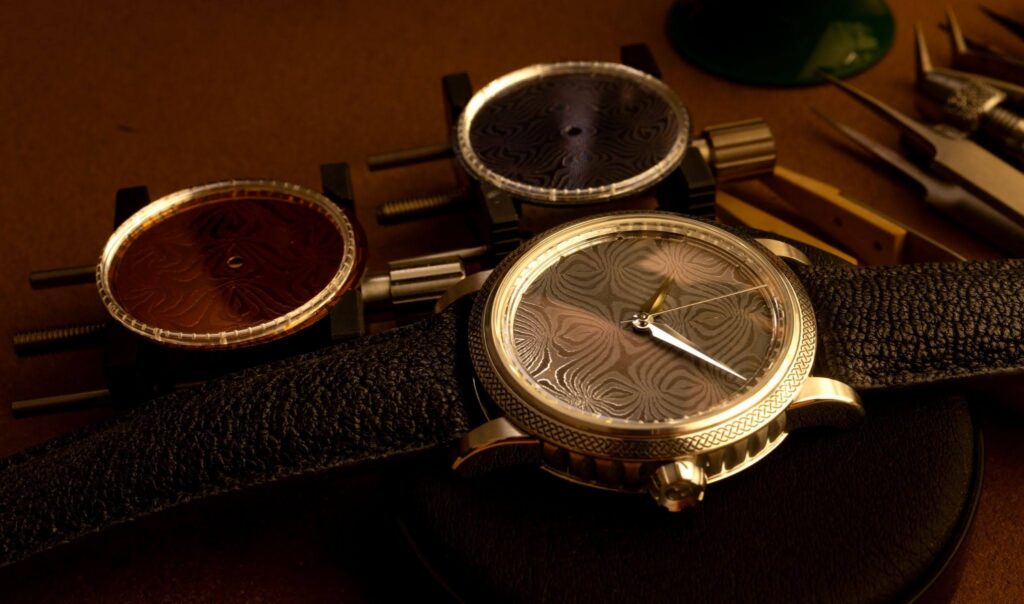
Every November in Geneva, a room full of jury members decides which watch deserves to be called the best in the world — and the winner isn’t always who you’d expect. Watch awards don’t operate under a single governing body with universal authority, which makes the competitive landscape more contested and more interesting than most people outside the industry realize.
When One Prize Sets the Standard
The Grand Prix d’Horlogerie de Genève — the GPHG — is the closest thing horology has to an Oscar. Founded in 2001 and restructured under its current format in 2011, it evaluates watches across 15 categories: Chronograph, Tourbillon, Mechanical Exception, Ladies, a “Petite Aiguille” prize for more accessible pieces, and the Aiguille d’Or — the golden needle — awarded to the single watch judged best across the entire field. The jury comprises roughly 30 professionals drawn from journalism, retail, collecting, and design, none of them representatives of competing brands, with deliberations kept closed.
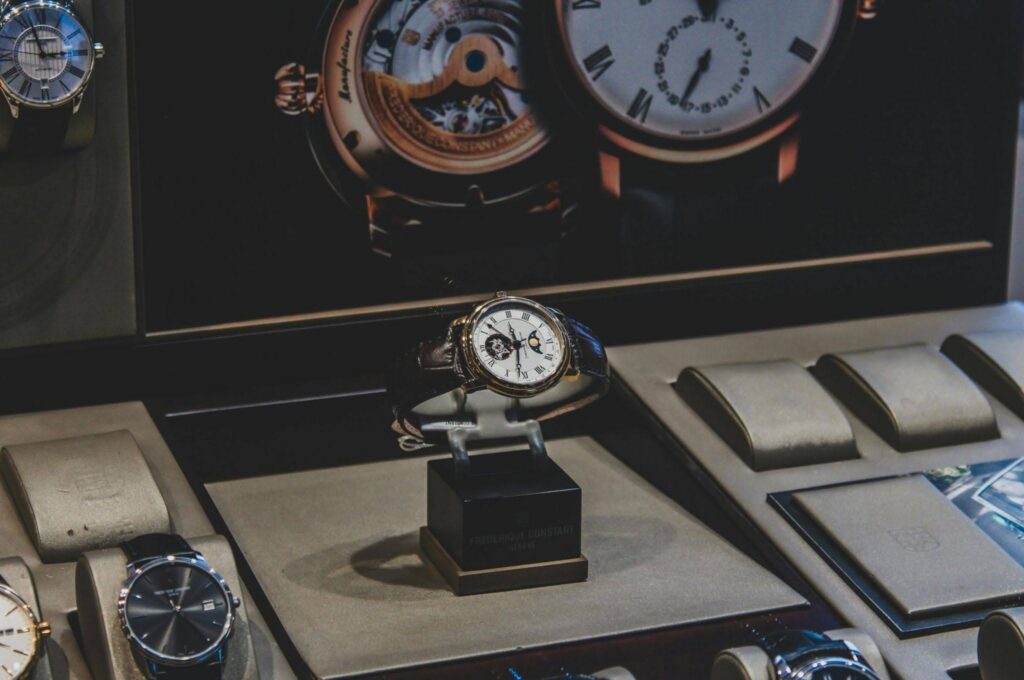
What makes a watch award-winning at the GPHG isn’t a published formula, but the criteria are consistent: movement architecture, finishing quality, complication integration, dial legibility, and whether the piece actually advances the technical conversation rather than simply adding parts. Harvard economic historian David S. Landes, in Revolution in Time: Clocks and the Making of the Modern World, observed that the finest timepieces are the product of “ingenuity, craftsmanship, artistry and elegance” — four qualities that map almost exactly onto what the GPHG jury rewards, whether they’d frame it that way or not.
When the Winners Surprise Everyone
The 2024 Aiguille d’Or went to IWC Schaffhausen for the Portugieser Eternal Calendar — a secular perpetual calendar equipped with a 400-year gear that automatically skips three leap years over four centuries and a moon phase display accurate to within one day over 45 million years. It’s a watch that makes a regular perpetual calendar look almost casual by comparison. Then, in a sharp pivot for 2025, the jury handed the prize to Breguet‘sClassique Souscription 2025 — a single-hand watch with a white enamel dial inspired by Abraham-Louis Breguet’s 1796 pocket watch design. “It looks simple,” the jury noted, “but it embodies one of the greatest challenges of watchmaking: simplicity.” Two consecutive years, two completely different philosophies — which tells you something about how these competitions actually function.
When Geneva Isn’t the Only Jury That Matters
The GPHG isn’t the only game in town. Japan’s watch industry operates through bodies like the Japan Clock & Watch Association, which recognizes achievements entirely outside the Swiss axis. Grand Seiko’s Spring Drive caliber — a hybrid movement using a glide spring to regulate a mechanical gear train electromagnetically — has received international recognition precisely because it doesn’t fit the category logic built around Swiss lever escapements. Good watchmaking competition crosses borders.
When Recognition and Reality Diverge
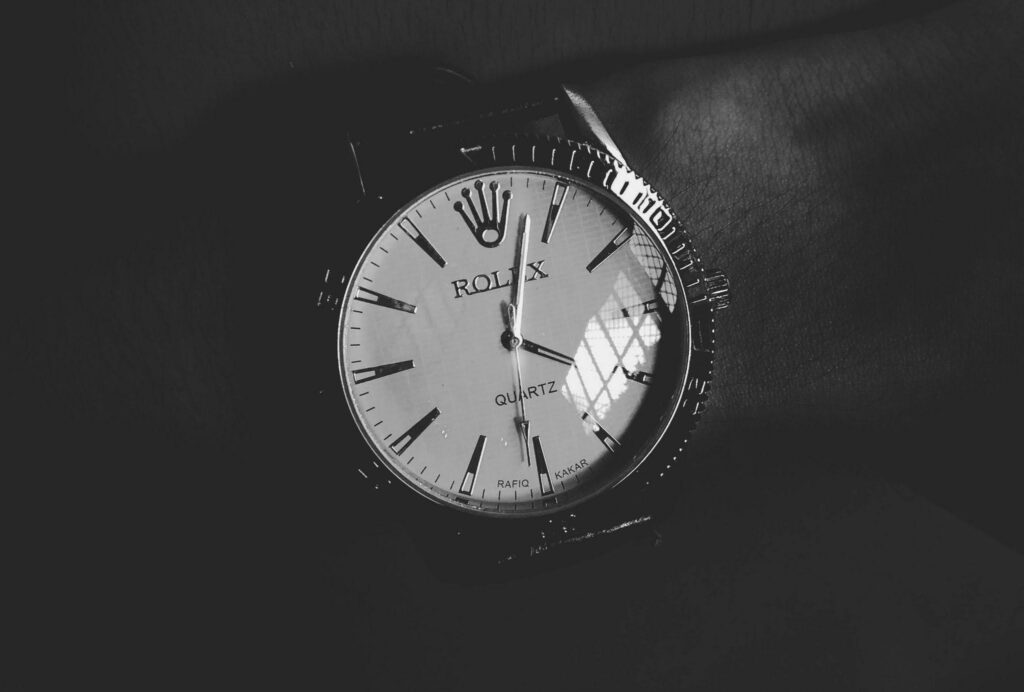
What the competitions don’t resolve is the gap between technical achievement and commercial reach. According to the Federation of the Swiss Watch Industry, Swiss watch exports reached a record CHF 26.7 billion in 2023, with watches priced above CHF 3,000 generating 92% of that year’s export growth — despite representing a small fraction of total units shipped. The watches most likely to win international watch competitions live almost entirely in that tier, which most buyers will never enter. Award recognition in this industry functions more as a signal between professionals than as a consumer guide.
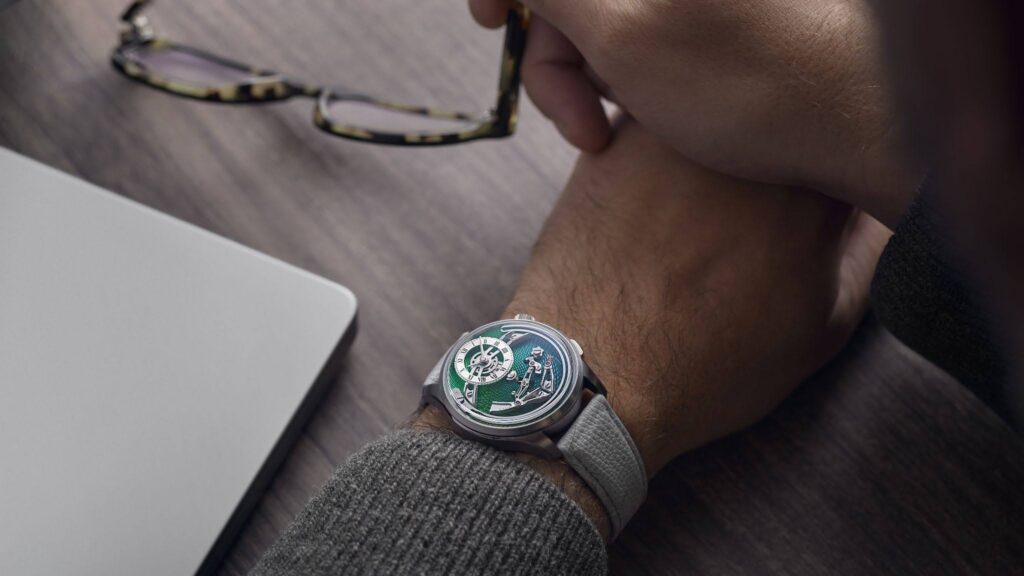
The brands that win aren’t always the most recognizable on the entry list. The 2023 Aiguille d’Or went to Audemars Piguet’s Code 11.59 Ultra-Complication Universelle; the year before, it went to MB&F‘s LM Sequential EVO — an independent watchmaker with nothing like the commercial reach of a Rolex or Patek Philippe. That’s not an accident. The prize winner from the previous year is automatically ineligible for the following year’s competition, which keeps the field rotating and prevents any single manufacture from accumulating credibility indefinitely.
What makes a competition authoritative or simply insular is a question the industry hasn’t settled — and probably won’t, which is exactly what keeps the conversation going each November in Geneva. Though I feel the watch industry is deserving of one more watch competition and our team believes it has the right concept to bring it to the industry. Keep your eyes open!