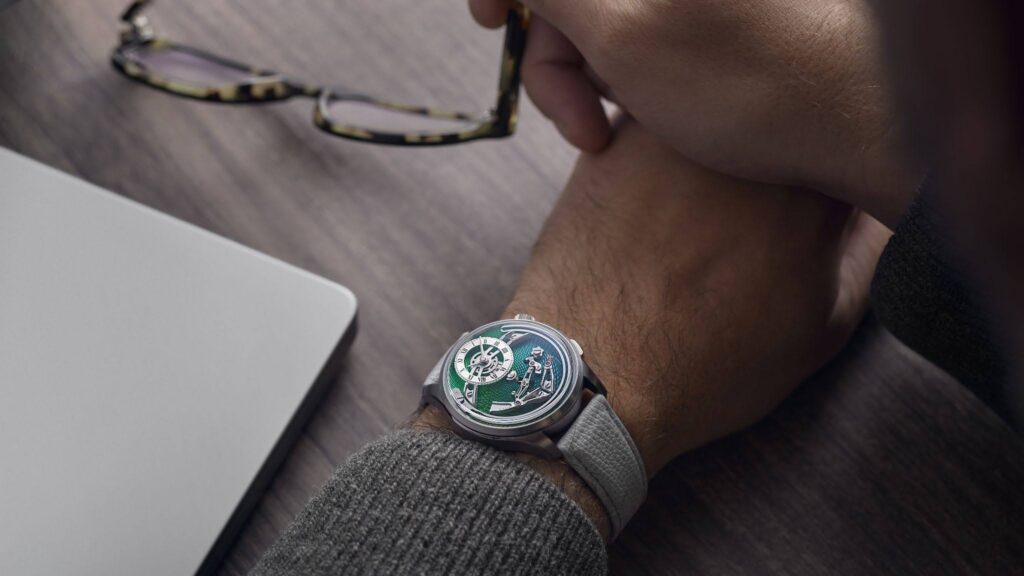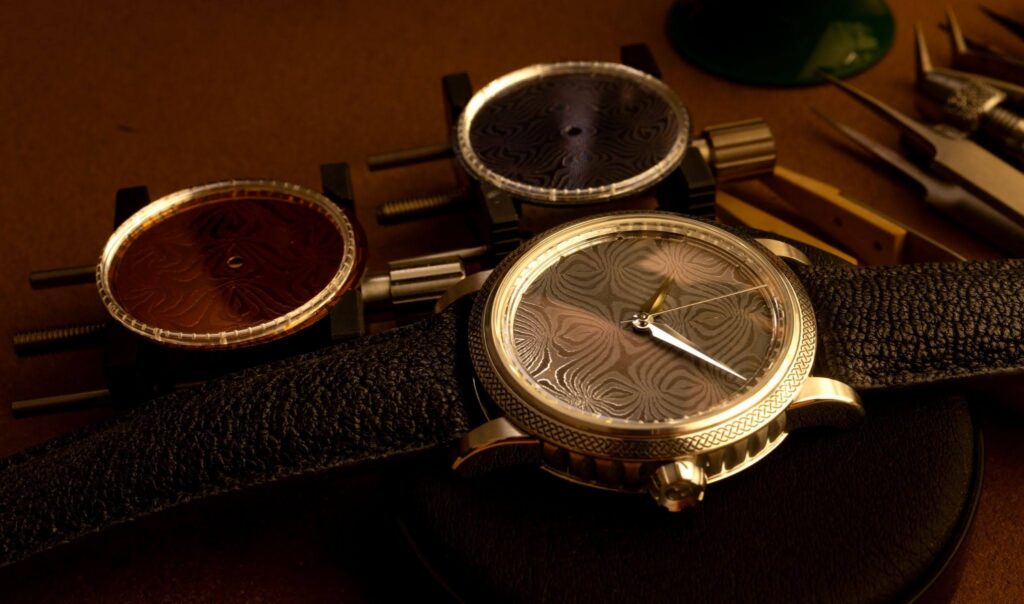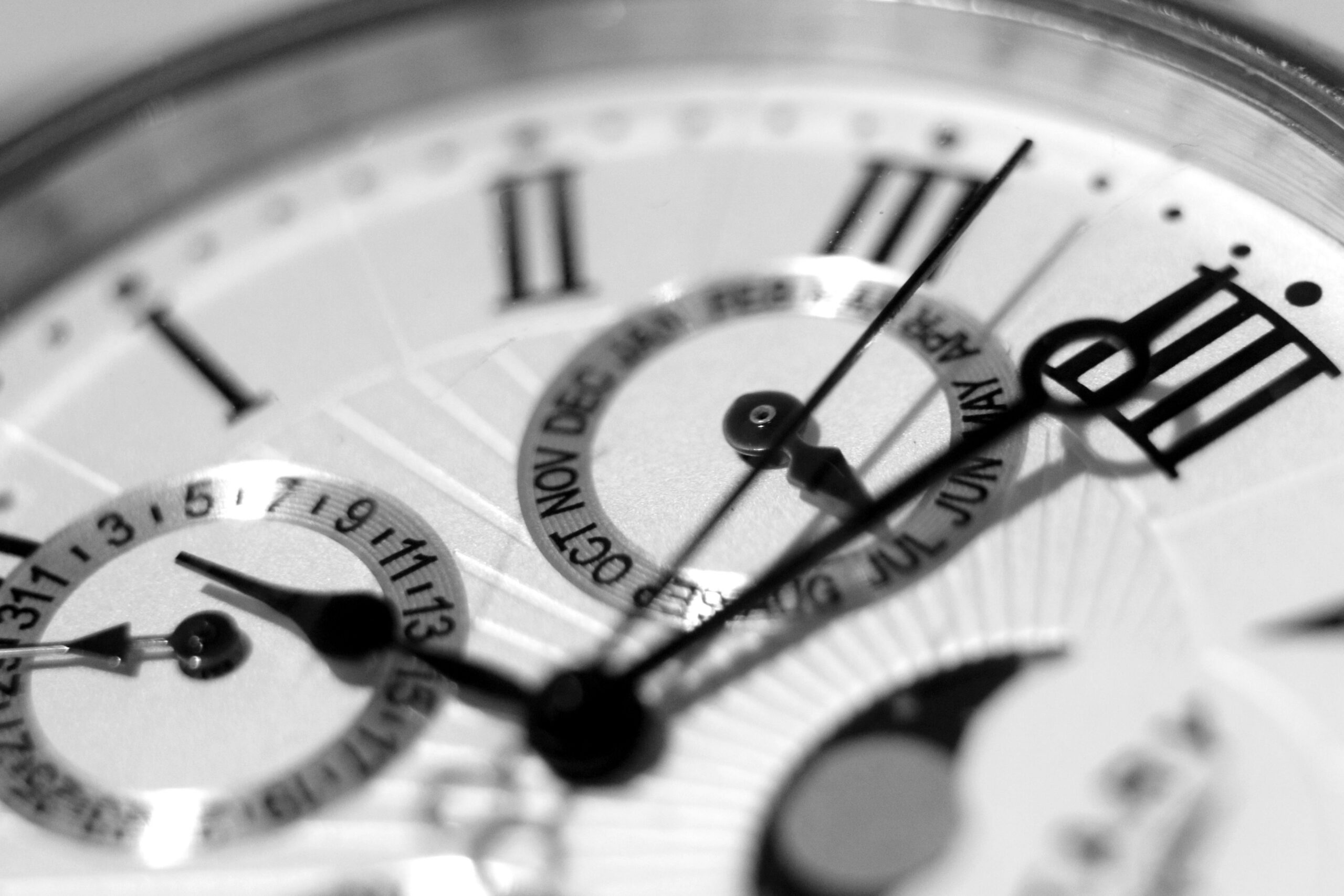
Your phone tells better time. So does the microwave clock and that fitness tracker gathering dust. But a mechanical watch movement operates differently—somewhere between 100 and 200 precision-fitted components working in concert, no battery required, some spinning 28,800 times per hour while you check your email. It’s choosing vinyl over Spotify: technically inferior, undeniably compelling.
A coiled spring stores energy, gears transfer it, jeweled bearings reduce friction, and an escapement meters everything out in controlled pulses. As Gene Stone and Stephen Pulvirent put it in The Watch, Thoroughly Revised, the mechanical movement combines “inspired design, technical innovation, and precise craftsmanship” that transforms metal into a machine that measures time.
Energy, Architecture, and the Cost of Complexity
Manual-winding watches require daily winding—turn the crown, tension the mainspring, store 44 to 65 hours of power. Miss a day and it stops. It’s the purist’s choice, a mechanical ritual that some could find meditative and others annoying.
Automatic watches eliminate that ritual. A weighted rotor spins with wrist motion and winds the mainspring through a reduction gear system, making the watch self-sufficient as long as you wear it. The tradeoff? An extra 1 to 2 millimeters of thickness. Patek Philippe’s Caliber 240 sidesteps this with a micro-rotor recessed into the movement—just 2.53mm thick across 161 parts. But winding is only the beginning.
Beyond basic timekeeping, mechanical movements can track additional functions called complications. A. Lange & Söhne’s Langematik Perpetual combines automatic winding with a perpetual calendar that accounts for leap years and varying month lengths without manual adjustment. Rolex’s Chronographs add stopwatch functionality through additional gears and pushers.
GMT functions, like those in the Vacheron Constantin Overseas Dual Time, display multiple time zones simultaneously. Each complication layers more mechanical complexity—more parts to machine, assemble, and regulate—which is why a simple three-hand watch costs dramatically less than one with a chronograph or perpetual calendar, even from the same manufacturer.
The Parts That Actually Keep Time
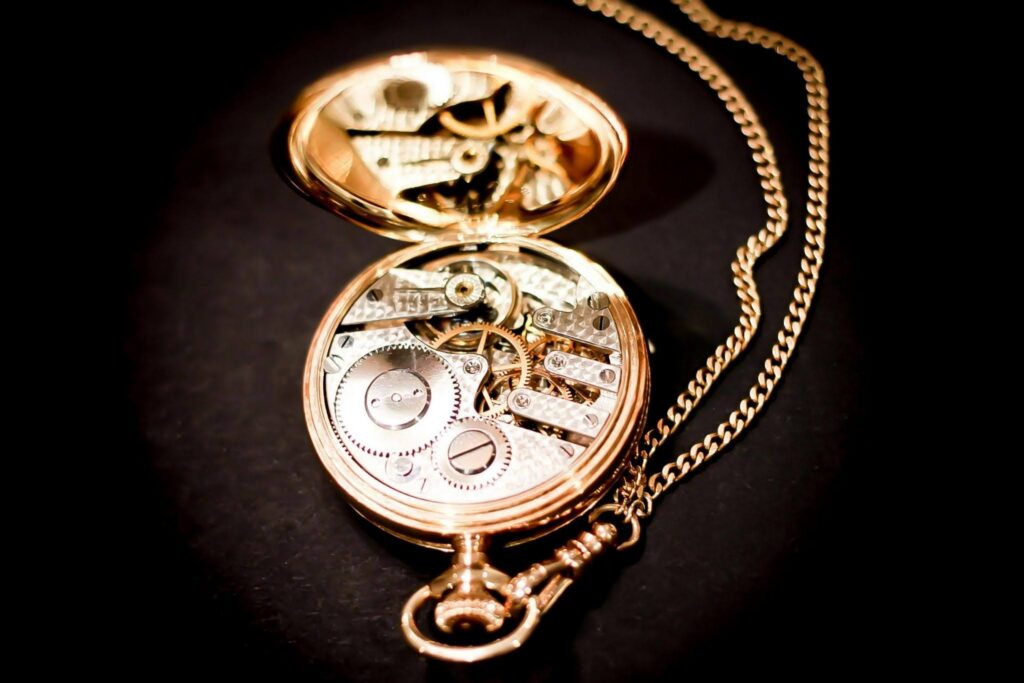
The balance wheel is the heartbeat, oscillating at 28,800 vibrations per hour in most Swiss movements—four ticks per second—though high-frequency calibers like Zenith’s El Primero hit 36,000 vph for that buttery-smooth seconds-hand sweep. The hairspring, a delicate coil attached to the balance wheel’s axis, contracts and expands like a tiny metal Slinky, controlling rhythm. Most use Nivarox alloy; Patek Philippe opts for silicon Spiromax hairsprings, both engineered to resist magnetism and temperature swings.
The escapement releases energy from the gear train in discrete intervals—each time the pallet fork engages and releases the escape wheel, you get that signature tick. Jewel bearings (synthetic rubies and sapphires made from corundum) sit at pivot points where axles spin thousands of times per hour, reducing friction that would otherwise drain power.
In-House vs. Outsourced
An in-house movement means the brand designs, manufactures, and assembles the caliber under one roof rather than ordering from suppliers like ETA, Sellita, or Miyota. Full manufactures typically charge more—but in-house doesn’t automatically mean better.
Many Swiss brands modify ETA or Sellita base movements with proprietary complications or hand-finishing. Specialists like Dubois-Dépraz handle complex modules—chronographs, perpetual calendars, GMT functions—letting smaller brands offer serious complications without funding years of development.
Why Mechanical Costs More
Mechanical calibers demand exponentially more labor than quartz movements, which get by with fewer than 60 parts and a battery-powered circuit vibrating a quartz crystal at 32,768 times per second. Every mechanical component gets machined, beveled, polished, assembled—often by hand—then adjusted across multiple positions to hit chronometric standards.
Decorative labor adds zero functional value but signals craft. Côtes de Genève (those stripes visible through the caseback), perlage (circular graining), anglage (hand-beveled edges)—all add hours of skilled work with zero impact on accuracy. It separates a $500 movement from a $5,000 one.
The mechanical watch survives not because it’s practical but because choosing one means valuing visible craft over digital efficiency and the faint satisfaction of wearing something that works the same way it did in 1960.