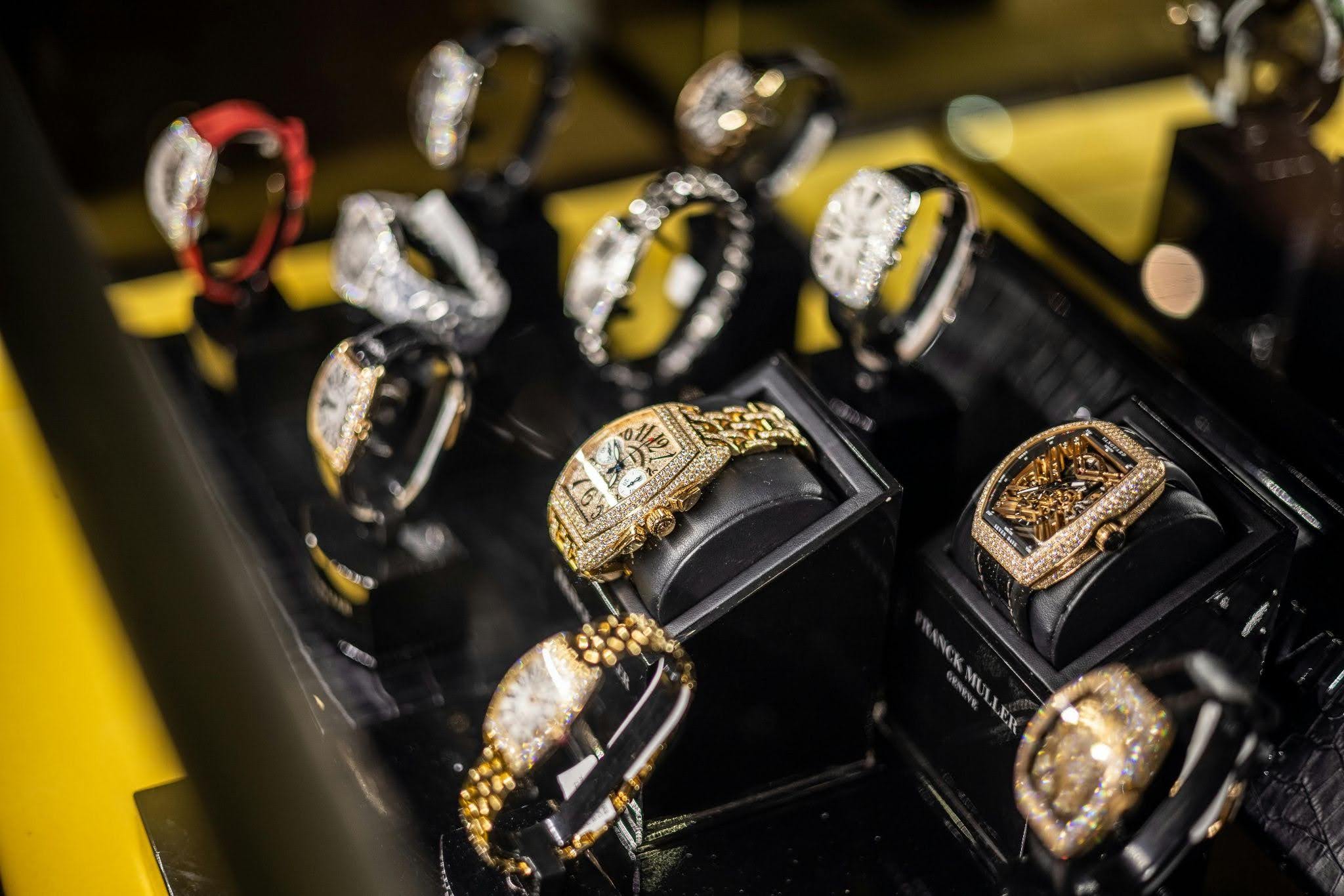
Nakano Broadway, a 1966 shopping complex three stops west of Shinjuku, contains one of Tokyo’s densest concentrations of pre-owned watch dealers. The fourth floor alone runs from Showa-era Seiko 6139 chronographs under ¥30,000 (about $200) to six-figure Patek Philippes in adjacent vitrines. Buying pre-owned watches in Japan rewards more than price hunting — the country’s licensing laws, paperwork culture, and decades-deep collector base mean what you actually take home is a watch with verified information attached.
A License to Resell
Every secondhand dealer — from a one-room Asakusa stall to a chain like Komehyo — operates under the Antique Dealings Act, administered by prefectural police. A kobutsu license is non-negotiable: the number must be displayed in the shop window and on the website, and police can audit transaction logs without notice. Identity verification at intake means stolen watches surface noticeably less often in Japan’s secondary market than in Western capitals. The paper trail isn’t a flourish — it’s how the system enforces what less regulated markets only promise.
Forty Years of Inventory
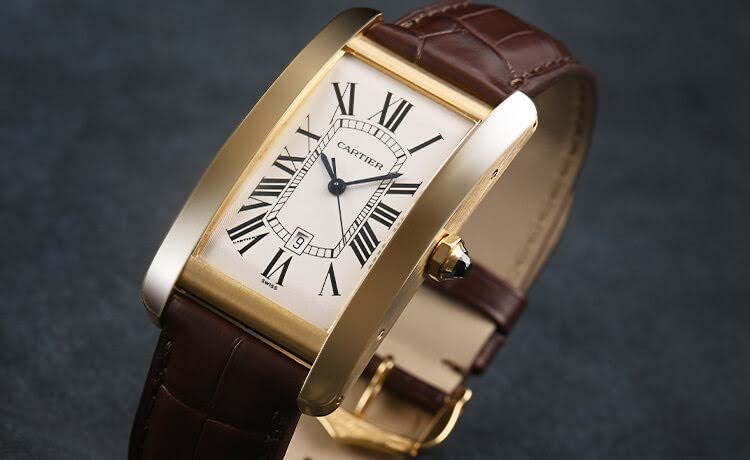
A vintage Cartier Tank in yellow gold from Tokyo pre-owned retailer Housekihiroba.
According to the Federation of the Swiss Watch Industry, Japan for decades has been one of the top five export markets globally for the Swiss watch industry. The sustained volume since the 1980s has produced an installed base now feeding the secondary market. Examples include the JDM Grand Seiko that carry Japanese-only dial markings; Citizen Bullhead chronographs — the cal. 8110, from the 1970s — rarely surface abroad in original condition; Japan-exclusive Speedmaster, Tudor, and Cartier Tank variants take years before reaching Geneva or New York.
The Yen Math
The 10% consumption tax is refundable at registered tax-free shops on purchases over ¥5,000 (about $32) for non-residents showing a passport. Most major dealers in Ginza, Shibuya, and Nakano are registered. Smaller independents often are not — the price asked is the price paid. With the yen near multi-decade lows against the dollar and euro since 2022, the layered effect of weak currency and tax refund has reshaped sourcing: international dealers now factor regular Japan trips into their inventory cycle, and grey-market sport Rolex prices in Shinjuku are tracked in real time by collectors abroad.
Nakano, Ginza, Shinjuku
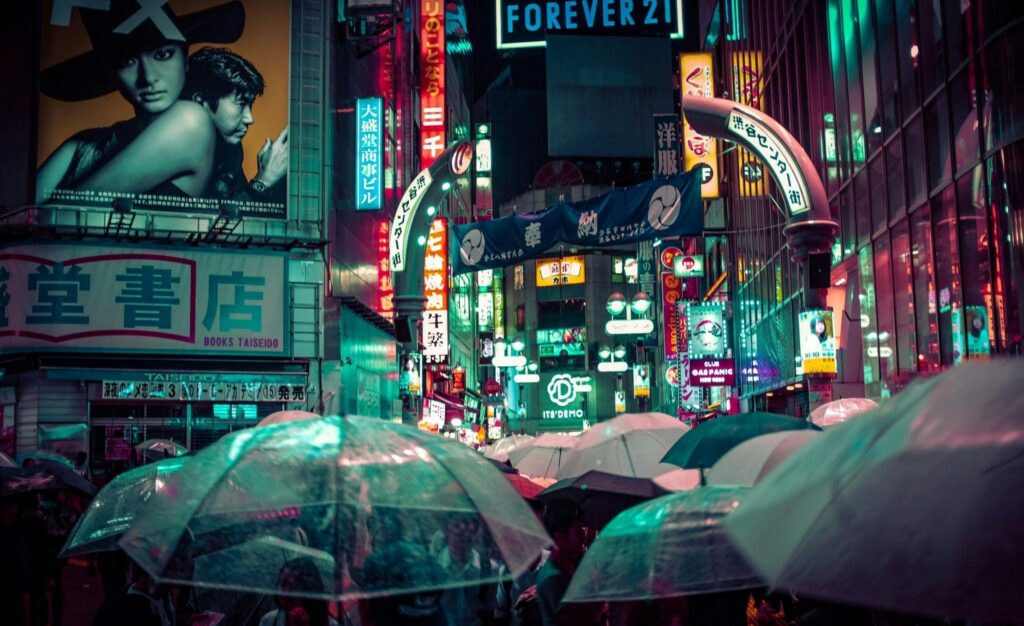
Vintage watches Tokyo shoppers cluster in three districts. Nakano Broadway is the volume center — Showa-era Japanese pieces, mid-tier vintage Swiss, along with stalls run by single specialists. Ginza primarily has the higher end; boutiques near the Seiko Museum Ginza — which describes itself as a museum dedicated to “the history of watches and the journey of Seiko” since the company’s 1881 founding by Kintaro Hattori — sit a short walk from independents stocking mid-century Universal Genève and Longines. Shinjuku’s multi-brand floors function as a running spot-price index for grey-market sport Rolex and Audemars Piguet.
What the Tag Leaves Out
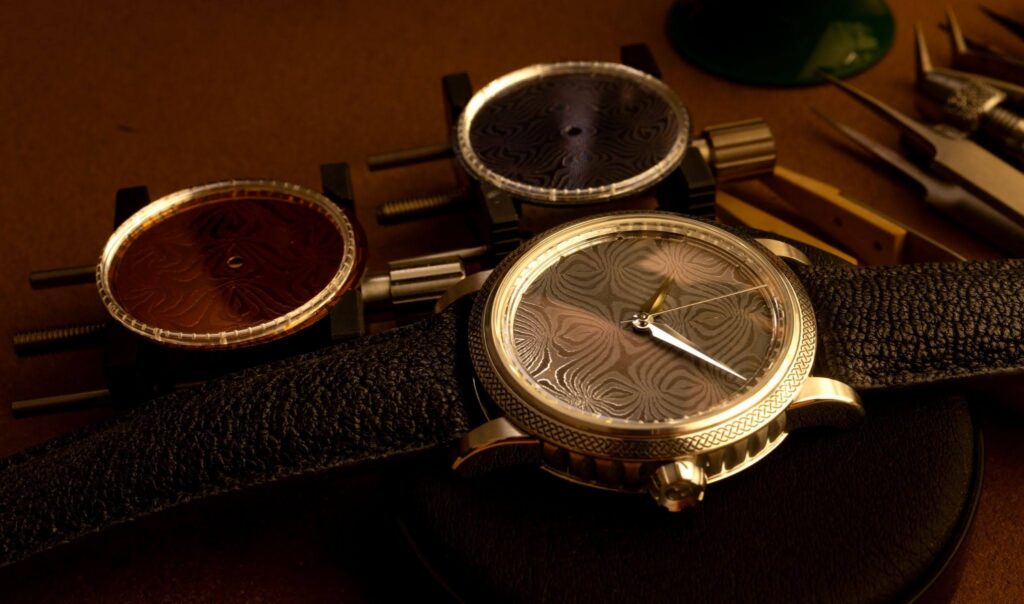
Movement service history is rarely in the asking price. Budget for a service if a mechanical piece hasn’t been opened in five years — and ask whether the dealer’s in-house workshop will do it, since the largest Tokyo chains often run their own at preferential rates for buyers who purchased there. Domestic-market Seikos with the original hoshōsho (warranty card) carry a measurable premium, and full-set examples sit in a tier above. Tokyo’s independent watchmaking scene — names like Hajime Asaoka and Naoya Hida — surfaces secondhand through Ginza specialists rather than chains. A buyer not fluent in Japanese should request, in writing, the guarantee period and the return policy.
The deeper reason to buy here is practical rather than romantic. Forty plus years of domestic demand, a consumer base known worldwide for taking great care of its expensive purchases, a licensed resale system, and an established dealer base that is focused on the secondary market. It is why watch lovers come to Japan for the hunt!